Program and Services
Bannock House Residential Care Facility provides a structured, safe, and supportive environment for youth who are not currently able to live with their biological families for a variety of reasons. Our mission is to help youth and their families—or other caregivers—build the skills and strengths needed to support reunification whenever possible, or to transition the youth to a lower level of care when reunification is not feasible.
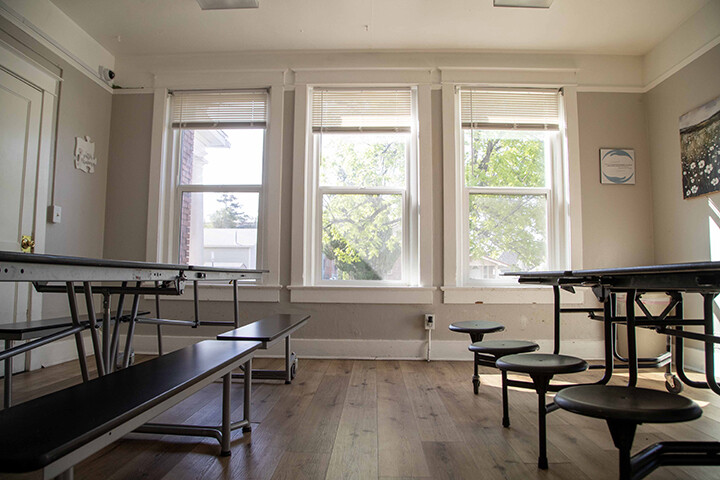
We serve youth and families facing a wide range of challenges, including behavioral concerns, mental health needs, substance abuse, emotional difficulties, legal involvement, experiences of abuse or neglect, domestic violence, and learning disabilities. Bannock House operates 24 hours a day, 7 days a week, as a 14-bed residential treatment facility serving both males and females.
Our programs provide both shelter and therapeutic services for youth referred through our Crisis Program, and Child and Family Services Residential Contract. While our primary service area is Southeastern Idaho to the Utah border, we are equipped to serve youth from across the state and have accepted out-of-state crisis placements when needed.
We are licensed to serve youth ages 10–18; however, due to developmental considerations, we prioritize placements for youth ages 12 and older. Residents attend the local public school system, where those who qualify receive support through Individualized Education Plans (IEPs). Our case managers work closely with schools to ensure each youth’s educational needs are met.
Bannock House is a strengths-based program focused on identifying and building upon the existing assets of youth and their families. Using evidence-based and best practice approaches, we address the complex, multi-dimensional needs of those we serve.
We work with youth experiencing a broad range of co-occurring emotional and behavioral challenges, including trauma, depression, anxiety, oppositional behaviors, self-harm, suicidal ideation, substance use, and attention-related disorders such as ADD/ADHD.
Entry Criteria
For crisis placements, the parents/ guardians or anyone working with the family can contact Bannock House and complete a placement questionnaire. This will help determine if the youth meets the criteria for placement and based upon bed availability, current population, etc.
Transition Criteria
The treatment team on each youth is active in the decision of what meets transition criteria. This will be stated in each youth’s service plan and reviewed with the team monthly to decide what the transition criteria should be, when it should be and parameters around it. The team will work together to make the transition successful for all youth.
Exit Criteria
The treatment team on each youth is active in the decision of what meets exit criteria. This will be stated in each youth’s service plan and reviewed with the team monthly to decide what exit criteria should be, if goals were met and then a discharge plan to help the youth and their family.
Criteria for denial
Actively suicidal, homicidal, IQ below 70, pending sexual charges (based on other factors, current population) diagnosis.
Counseling Services
Bannock Youth Foundation has been offering free counseling services to SE Idaho for over 40 years. Our compassionate, competent, and engaged therapists are ready to serve youth and families facing various challenges, including mental health struggles, homelessness, divorce and custody conflicts, addictions, and behavioral concerns. With a person-centered approach, our counselors excel at building meaningful relationships, empowering youth and their families to strengthen their own relationships while working toward mutual goals. These services are available to community members at no cost, so families can focus on what’s most important.